2025 Utah Legislative Scorecard
The following scorecard lists several key votes in the Utah State Legislature in 2025 and ranks state representatives and senators based on their fidelity to (U.S.) constitutional and limited-government principles.
Share this Legislative Scorecard in your district to inform people about the constitutionality of their elected officials' votes.
House Votes
1. Public Collective Bargaining Ban
Revokes collective‑bargaining rights for all public‑sector unions—teachers, firefighters, police, and others—by banning government employers from recognizing unions or negotiating contracts.
Read More
Constitutional Vote: Yes
2. Fluoride Ban
Prohibits adding fluoride to all public water systems in Utah.
Read More
Constitutional Vote: Yes
3. Refugee Services Office
Creates a dedicated Refugee Services Office within the Department of Workforce Services.
Read More
Constitutional Vote: No
Cost per household: -$18.00/year
4. Medicaid Expansion
Authorizes the Utah Medicaid program to cover doula services, which include non-medical support during pregnancy, childbirth, and postpartum.
Read More
Constitutional Vote: No
Cost per household: -$0.23/year
5. Homeschool Amendments
Ensures that families no longer need to file an annual affidavit or declare a criminal background to homeschool at the start of the school year.
Read More
Constitutional Vote: Yes
6. Gold-backed Currency
Would have allowed the state to invest in gold and created a framework for a digital gold-backed currency.
Read More
Constitutional Vote: Yes
How did they vote?

75% Report Score
Republican · Dist. HD-057
1. Public Collective Bargaining Ban
2. Fluoride Ban
3. Refugee Services Office
4. Medicaid Expansion
5. Homeschool Amendments
6. Gold-backed Currency

67% Report Score
Republican · Dist. HD-038
1. Public Collective Bargaining Ban
2. Fluoride Ban
3. Refugee Services Office
4. Medicaid Expansion
5. Homeschool Amendments
6. Gold-backed Currency

80% Report Score
Republican · Dist. HD-070
1. Public Collective Bargaining Ban
2. Fluoride Ban
3. Refugee Services Office
4. Medicaid Expansion
5. Homeschool Amendments
6. Gold-backed Currency

83% Report Score
Republican · Dist. HD-004
1. Public Collective Bargaining Ban
2. Fluoride Ban
3. Refugee Services Office
4. Medicaid Expansion
5. Homeschool Amendments
6. Gold-backed Currency

50% Report Score
Republican · Dist. HD-017
1. Public Collective Bargaining Ban
2. Fluoride Ban
3. Refugee Services Office
4. Medicaid Expansion
5. Homeschool Amendments
6. Gold-backed Currency

0% Report Score
Democrat · Dist. HD-041
1. Public Collective Bargaining Ban
2. Fluoride Ban
3. Refugee Services Office
4. Medicaid Expansion
5. Homeschool Amendments
6. Gold-backed Currency

67% Report Score
Republican · Dist. HD-029
1. Public Collective Bargaining Ban
2. Fluoride Ban
3. Refugee Services Office
4. Medicaid Expansion
5. Homeschool Amendments
6. Gold-backed Currency

67% Report Score
Republican · Dist. HD-075
1. Public Collective Bargaining Ban
2. Fluoride Ban
3. Refugee Services Office
4. Medicaid Expansion
5. Homeschool Amendments
6. Gold-backed Currency

80% Report Score
Republican · Dist. HD-064
1. Public Collective Bargaining Ban
2. Fluoride Ban
3. Refugee Services Office
4. Medicaid Expansion
5. Homeschool Amendments
6. Gold-backed Currency

100% Report Score
Republican · Dist. HD-054
1. Public Collective Bargaining Ban
2. Fluoride Ban
3. Refugee Services Office
4. Medicaid Expansion
5. Homeschool Amendments
6. Gold-backed Currency

67% Report Score
Republican · Dist. HD-068
1. Public Collective Bargaining Ban
2. Fluoride Ban
3. Refugee Services Office
4. Medicaid Expansion
5. Homeschool Amendments
6. Gold-backed Currency

83% Report Score
Republican · Dist. HD-053
1. Public Collective Bargaining Ban
2. Fluoride Ban
3. Refugee Services Office
4. Medicaid Expansion
5. Homeschool Amendments
6. Gold-backed Currency

50% Report Score
Republican · Dist. HD-060
1. Public Collective Bargaining Ban
2. Fluoride Ban
3. Refugee Services Office
4. Medicaid Expansion
5. Homeschool Amendments
6. Gold-backed Currency

33% Report Score
Republican · Dist. HD-018
1. Public Collective Bargaining Ban
2. Fluoride Ban
3. Refugee Services Office
4. Medicaid Expansion
5. Homeschool Amendments
6. Gold-backed Currency

17% Report Score
Democrat · Dist. HD-022
1. Public Collective Bargaining Ban
2. Fluoride Ban
3. Refugee Services Office
4. Medicaid Expansion
5. Homeschool Amendments
6. Gold-backed Currency

60% Report Score
Republican · Dist. HD-015
1. Public Collective Bargaining Ban
2. Fluoride Ban
3. Refugee Services Office
4. Medicaid Expansion
5. Homeschool Amendments
6. Gold-backed Currency

0% Report Score
Democrat · Dist. HD-035
1. Public Collective Bargaining Ban
2. Fluoride Ban
3. Refugee Services Office
4. Medicaid Expansion
5. Homeschool Amendments
6. Gold-backed Currency

40% Report Score
Republican · Dist. HD-036
1. Public Collective Bargaining Ban
2. Fluoride Ban
3. Refugee Services Office
4. Medicaid Expansion
5. Homeschool Amendments
6. Gold-backed Currency

33% Report Score
Republican · Dist. HD-043
1. Public Collective Bargaining Ban
2. Fluoride Ban
3. Refugee Services Office
4. Medicaid Expansion
5. Homeschool Amendments
6. Gold-backed Currency

60% Report Score
Republican · Dist. HD-072
1. Public Collective Bargaining Ban
2. Fluoride Ban
3. Refugee Services Office
4. Medicaid Expansion
5. Homeschool Amendments
6. Gold-backed Currency

67% Report Score
Republican · Dist. HD-048
1. Public Collective Bargaining Ban
2. Fluoride Ban
3. Refugee Services Office
4. Medicaid Expansion
5. Homeschool Amendments
6. Gold-backed Currency

17% Report Score
Democrat · Dist. HD-030
1. Public Collective Bargaining Ban
2. Fluoride Ban
3. Refugee Services Office
4. Medicaid Expansion
5. Homeschool Amendments
6. Gold-backed Currency

50% Report Score
Republican · Dist. HD-020
1. Public Collective Bargaining Ban
2. Fluoride Ban
3. Refugee Services Office
4. Medicaid Expansion
5. Homeschool Amendments
6. Gold-backed Currency

67% Report Score
Republican · Dist. HD-050
1. Public Collective Bargaining Ban
2. Fluoride Ban
3. Refugee Services Office
4. Medicaid Expansion
5. Homeschool Amendments
6. Gold-backed Currency

67% Report Score
Republican · Dist. HD-006
1. Public Collective Bargaining Ban
2. Fluoride Ban
3. Refugee Services Office
4. Medicaid Expansion
5. Homeschool Amendments
6. Gold-backed Currency

83% Report Score
Republican · Dist. HD-011
1. Public Collective Bargaining Ban
2. Fluoride Ban
3. Refugee Services Office
4. Medicaid Expansion
5. Homeschool Amendments
6. Gold-backed Currency

50% Report Score
Republican · Dist. HD-055
1. Public Collective Bargaining Ban
2. Fluoride Ban
3. Refugee Services Office
4. Medicaid Expansion
5. Homeschool Amendments
6. Gold-backed Currency

33% Report Score
Democrat · Dist. HD-032
1. Public Collective Bargaining Ban
2. Fluoride Ban
3. Refugee Services Office
4. Medicaid Expansion
5. Homeschool Amendments
6. Gold-backed Currency

0% Report Score
Democrat · Dist. HD-021
1. Public Collective Bargaining Ban
2. Fluoride Ban
3. Refugee Services Office
4. Medicaid Expansion
5. Homeschool Amendments
6. Gold-backed Currency

67% Report Score
Republican · Dist. HD-039
1. Public Collective Bargaining Ban
2. Fluoride Ban
3. Refugee Services Office
4. Medicaid Expansion
5. Homeschool Amendments
6. Gold-backed Currency

83% Report Score
Republican · Dist. HD-073
1. Public Collective Bargaining Ban
2. Fluoride Ban
3. Refugee Services Office
4. Medicaid Expansion
5. Homeschool Amendments
6. Gold-backed Currency

83% Report Score
Republican · Dist. HD-010
1. Public Collective Bargaining Ban
2. Fluoride Ban
3. Refugee Services Office
4. Medicaid Expansion
5. Homeschool Amendments
6. Gold-backed Currency

60% Report Score
Republican · Dist. HD-059
1. Public Collective Bargaining Ban
2. Fluoride Ban
3. Refugee Services Office
4. Medicaid Expansion
5. Homeschool Amendments
6. Gold-backed Currency

80% Report Score
Republican · Dist. HD-008
1. Public Collective Bargaining Ban
2. Fluoride Ban
3. Refugee Services Office
4. Medicaid Expansion
5. Homeschool Amendments
6. Gold-backed Currency

100% Report Score
Republican · Dist. HD-016
1. Public Collective Bargaining Ban
2. Fluoride Ban
3. Refugee Services Office
4. Medicaid Expansion
5. Homeschool Amendments
6. Gold-backed Currency

75% Report Score
Republican · Dist. HD-014
1. Public Collective Bargaining Ban
2. Fluoride Ban
3. Refugee Services Office
4. Medicaid Expansion
5. Homeschool Amendments
6. Gold-backed Currency

50% Report Score
Republican · Dist. HD-027
1. Public Collective Bargaining Ban
2. Fluoride Ban
3. Refugee Services Office
4. Medicaid Expansion
5. Homeschool Amendments
6. Gold-backed Currency

67% Report Score
Republican · Dist. HD-026
1. Public Collective Bargaining Ban
2. Fluoride Ban
3. Refugee Services Office
4. Medicaid Expansion
5. Homeschool Amendments
6. Gold-backed Currency

83% Report Score
Republican · Dist. HD-052
1. Public Collective Bargaining Ban
2. Fluoride Ban
3. Refugee Services Office
4. Medicaid Expansion
5. Homeschool Amendments
6. Gold-backed Currency

33% Report Score
Democrat · Dist. HD-037
1. Public Collective Bargaining Ban
2. Fluoride Ban
3. Refugee Services Office
4. Medicaid Expansion
5. Homeschool Amendments
6. Gold-backed Currency

20% Report Score
Democrat · Dist. HD-031
1. Public Collective Bargaining Ban
2. Fluoride Ban
3. Refugee Services Office
4. Medicaid Expansion
5. Homeschool Amendments
6. Gold-backed Currency

0% Report Score
Democrat · Dist. HD-024
1. Public Collective Bargaining Ban
2. Fluoride Ban
3. Refugee Services Office
4. Medicaid Expansion
5. Homeschool Amendments
6. Gold-backed Currency

50% Report Score
Republican · Dist. HD-045
1. Public Collective Bargaining Ban
2. Fluoride Ban
3. Refugee Services Office
4. Medicaid Expansion
5. Homeschool Amendments
6. Gold-backed Currency

67% Report Score
Republican · Dist. HD-069
1. Public Collective Bargaining Ban
2. Fluoride Ban
3. Refugee Services Office
4. Medicaid Expansion
5. Homeschool Amendments
6. Gold-backed Currency

0% Report Score
Democrat · Dist. HD-034
1. Public Collective Bargaining Ban
2. Fluoride Ban
3. Refugee Services Office
4. Medicaid Expansion
5. Homeschool Amendments
6. Gold-backed Currency

67% Report Score
Republican · Dist. HD-051
1. Public Collective Bargaining Ban
2. Fluoride Ban
3. Refugee Services Office
4. Medicaid Expansion
5. Homeschool Amendments
6. Gold-backed Currency

0% Report Score
Democrat · Dist. HD-023
1. Public Collective Bargaining Ban
2. Fluoride Ban
3. Refugee Services Office
4. Medicaid Expansion
5. Homeschool Amendments
6. Gold-backed Currency

60% Report Score
Republican · Dist. HD-042
1. Public Collective Bargaining Ban
2. Fluoride Ban
3. Refugee Services Office
4. Medicaid Expansion
5. Homeschool Amendments
6. Gold-backed Currency

0% Report Score
Democrat · Dist. HD-033
1. Public Collective Bargaining Ban
2. Fluoride Ban
3. Refugee Services Office
4. Medicaid Expansion
5. Homeschool Amendments
6. Gold-backed Currency

83% Report Score
Republican · Dist. HD-028
1. Public Collective Bargaining Ban
2. Fluoride Ban
3. Refugee Services Office
4. Medicaid Expansion
5. Homeschool Amendments
6. Gold-backed Currency

100% Report Score
Republican · Dist. HD-002
1. Public Collective Bargaining Ban
2. Fluoride Ban
3. Refugee Services Office
4. Medicaid Expansion
5. Homeschool Amendments
6. Gold-backed Currency

50% Report Score
Republican · Dist. HD-013
1. Public Collective Bargaining Ban
2. Fluoride Ban
3. Refugee Services Office
4. Medicaid Expansion
5. Homeschool Amendments
6. Gold-backed Currency
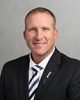
33% Report Score
Republican · Dist. HD-001
1. Public Collective Bargaining Ban
2. Fluoride Ban
3. Refugee Services Office
4. Medicaid Expansion
5. Homeschool Amendments
6. Gold-backed Currency

67% Report Score
Republican · Dist. HD-056
1. Public Collective Bargaining Ban
2. Fluoride Ban
3. Refugee Services Office
4. Medicaid Expansion
5. Homeschool Amendments
6. Gold-backed Currency

67% Report Score
Republican · Dist. HD-049
1. Public Collective Bargaining Ban
2. Fluoride Ban
3. Refugee Services Office
4. Medicaid Expansion
5. Homeschool Amendments
6. Gold-backed Currency

60% Report Score
Republican · Dist. HD-046
1. Public Collective Bargaining Ban
2. Fluoride Ban
3. Refugee Services Office
4. Medicaid Expansion
5. Homeschool Amendments
6. Gold-backed Currency

0% Report Score
Democrat · Dist. HD-025
1. Public Collective Bargaining Ban
2. Fluoride Ban
3. Refugee Services Office
4. Medicaid Expansion
5. Homeschool Amendments
6. Gold-backed Currency

100% Report Score
Republican · Dist. HD-009
1. Public Collective Bargaining Ban
2. Fluoride Ban
3. Refugee Services Office
4. Medicaid Expansion
5. Homeschool Amendments
6. Gold-backed Currency

67% Report Score
Republican · Dist. HD-012
1. Public Collective Bargaining Ban
2. Fluoride Ban
3. Refugee Services Office
4. Medicaid Expansion
5. Homeschool Amendments
6. Gold-backed Currency

67% Report Score
Republican · Dist. HD-058
1. Public Collective Bargaining Ban
2. Fluoride Ban
3. Refugee Services Office
4. Medicaid Expansion
5. Homeschool Amendments
6. Gold-backed Currency

67% Report Score
Republican · Dist. HD-066
1. Public Collective Bargaining Ban
2. Fluoride Ban
3. Refugee Services Office
4. Medicaid Expansion
5. Homeschool Amendments
6. Gold-backed Currency

67% Report Score
Republican · Dist. HD-061
1. Public Collective Bargaining Ban
2. Fluoride Ban
3. Refugee Services Office
4. Medicaid Expansion
5. Homeschool Amendments
6. Gold-backed Currency

67% Report Score
Republican · Dist. HD-071
1. Public Collective Bargaining Ban
2. Fluoride Ban
3. Refugee Services Office
4. Medicaid Expansion
5. Homeschool Amendments
6. Gold-backed Currency

75% Report Score
Republican · Dist. HD-005
1. Public Collective Bargaining Ban
2. Fluoride Ban
3. Refugee Services Office
4. Medicaid Expansion
5. Homeschool Amendments
6. Gold-backed Currency

0% Report Score
Democrat · Dist. HD-040
1. Public Collective Bargaining Ban
2. Fluoride Ban
3. Refugee Services Office
4. Medicaid Expansion
5. Homeschool Amendments
6. Gold-backed Currency

83% Report Score
Republican · Dist. HD-047
1. Public Collective Bargaining Ban
2. Fluoride Ban
3. Refugee Services Office
4. Medicaid Expansion
5. Homeschool Amendments
6. Gold-backed Currency

67% Report Score
Republican · Dist. HD-044
1. Public Collective Bargaining Ban
2. Fluoride Ban
3. Refugee Services Office
4. Medicaid Expansion
5. Homeschool Amendments
6. Gold-backed Currency

50% Report Score
Republican · Dist. HD-003
1. Public Collective Bargaining Ban
2. Fluoride Ban
3. Refugee Services Office
4. Medicaid Expansion
5. Homeschool Amendments
6. Gold-backed Currency

50% Report Score
Republican · Dist. HD-062
1. Public Collective Bargaining Ban
2. Fluoride Ban
3. Refugee Services Office
4. Medicaid Expansion
5. Homeschool Amendments
6. Gold-backed Currency

67% Report Score
Republican · Dist. HD-074
1. Public Collective Bargaining Ban
2. Fluoride Ban
3. Refugee Services Office
4. Medicaid Expansion
5. Homeschool Amendments
6. Gold-backed Currency

33% Report Score
Republican · Dist. HD-019
1. Public Collective Bargaining Ban
2. Fluoride Ban
3. Refugee Services Office
4. Medicaid Expansion
5. Homeschool Amendments
6. Gold-backed Currency

50% Report Score
Republican · Dist. HD-067
1. Public Collective Bargaining Ban
2. Fluoride Ban
3. Refugee Services Office
4. Medicaid Expansion
5. Homeschool Amendments
6. Gold-backed Currency

50% Report Score
Republican · Dist. HD-065
1. Public Collective Bargaining Ban
2. Fluoride Ban
3. Refugee Services Office
4. Medicaid Expansion
5. Homeschool Amendments
6. Gold-backed Currency

50% Report Score
Republican · Dist. HD-063
1. Public Collective Bargaining Ban
2. Fluoride Ban
3. Refugee Services Office
4. Medicaid Expansion
5. Homeschool Amendments
6. Gold-backed Currency

80% Report Score
Republican · Dist. HD-007
1. Public Collective Bargaining Ban
2. Fluoride Ban
3. Refugee Services Office
4. Medicaid Expansion
5. Homeschool Amendments
6. Gold-backed Currency
