2021-2022 Arizona Legislative Scorecard
The following scorecard lists several key votes in the Arizona State Legislature in 2021 and 2022 and ranks state representatives and senators based on their fidelity to (U.S.) constitutional and limited-government principles.
This is our first state-level Scorecard; the selected votes may not be reflective of legislators' overall records. Their cumulative scores will change as we add more votes. Please check regularly for updates.
Share this Legislative Scorecard in your district to inform people about the constitutionality of their elected officials' votes.
Senate Votes
1. In-State Tuition and Financial Aid for Illegal Aliens
Uses the power of referendum to make students without lawful immigration status eligible for in-state tuition and financial aid at public colleges and universities in Arizona.
Read More
Constitutional Vote: No
2. Voter Identification
Specifies that early ballot affidavits must require a voter to provide voter information, including the voter's date of birth and an acceptable form of government-issued identification number.
Read More
Constitutional Vote: Yes
3. Oversight of Executive Emergency Powers
Directs the Governor during a state of emergency to call the Legislature into a special session within 10 days to determine whether to terminate or modify the state of emergency.
Read More
Constitutional Vote: Yes
4. Article V Convention: Term Limits
Applies to Congress "to call a convention for proposing an amendment to the Constitution of the United States to set term limits for United States representatives and United States senators."
Read More
Constitutional Vote: No
5. DNA Collection for All Felony Arrests
Requires the collection of DNA from a person that is arrested for any felony offense, rather than a person convicted of a felony offense or arrested for a specific felony offense.
Read More
Constitutional Vote: No
6. Budget: Health Care
Contains provisions for health care-related budget appropriations for FY 2023, including the expansion of Medicaid eligibility in Arizona.
Read More
Constitutional Vote: No
How did they vote?

25% Report Score
Democrat · Dist. SD-005
1. In-State Tuition and Financial Aid for Illegal Aliens
2. Voter Identification
3. Oversight of Executive Emergency Powers
4. Article V Convention: Term Limits
5. DNA Collection for All Felony Arrests
6. Budget: Health Care

50% Report Score
Republican · Dist. SD-015
1. In-State Tuition and Financial Aid for Illegal Aliens
2. Voter Identification
3. Oversight of Executive Emergency Powers
4. Article V Convention: Term Limits
5. DNA Collection for All Felony Arrests
6. Budget: Health Care

50% Report Score
Republican · Dist. SD-030
1. In-State Tuition and Financial Aid for Illegal Aliens
2. Voter Identification
3. Oversight of Executive Emergency Powers
4. Article V Convention: Term Limits
5. DNA Collection for All Felony Arrests
6. Budget: Health Care

0% Report Score
Democrat · Dist. SD-018
1. In-State Tuition and Financial Aid for Illegal Aliens
2. Voter Identification
3. Oversight of Executive Emergency Powers
4. Article V Convention: Term Limits
5. DNA Collection for All Felony Arrests
6. Budget: Health Care

50% Report Score
Republican · Dist. SD-020
1. In-State Tuition and Financial Aid for Illegal Aliens
2. Voter Identification
3. Oversight of Executive Emergency Powers
4. Article V Convention: Term Limits
5. DNA Collection for All Felony Arrests
6. Budget: Health Care
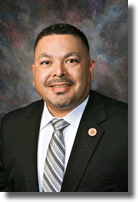
17% Report Score
Democrat · Dist. SD-019
1. In-State Tuition and Financial Aid for Illegal Aliens
2. Voter Identification
3. Oversight of Executive Emergency Powers
4. Article V Convention: Term Limits
5. DNA Collection for All Felony Arrests
6. Budget: Health Care

0% Report Score
Democrat · Dist. SD-010
1. In-State Tuition and Financial Aid for Illegal Aliens
2. Voter Identification
3. Oversight of Executive Emergency Powers
4. Article V Convention: Term Limits
5. DNA Collection for All Felony Arrests
6. Budget: Health Care

50% Report Score
Republican · Dist. SD-001
1. In-State Tuition and Financial Aid for Illegal Aliens
2. Voter Identification
3. Oversight of Executive Emergency Powers
4. Article V Convention: Term Limits
5. DNA Collection for All Felony Arrests
6. Budget: Health Care

50% Report Score
Democrat · Dist. SD-021
1. In-State Tuition and Financial Aid for Illegal Aliens
2. Voter Identification
3. Oversight of Executive Emergency Powers
4. Article V Convention: Term Limits
5. DNA Collection for All Felony Arrests
6. Budget: Health Care

40% Report Score
Democrat · Dist. SD-020
1. In-State Tuition and Financial Aid for Illegal Aliens
2. Voter Identification
3. Oversight of Executive Emergency Powers
4. Article V Convention: Term Limits
5. DNA Collection for All Felony Arrests
6. Budget: Health Care

50% Report Score
Republican · Dist. SD-019
1. In-State Tuition and Financial Aid for Illegal Aliens
2. Voter Identification
3. Oversight of Executive Emergency Powers
4. Article V Convention: Term Limits
5. DNA Collection for All Felony Arrests
6. Budget: Health Care

67% Report Score
Republican · Dist. SD-021
1. In-State Tuition and Financial Aid for Illegal Aliens
2. Voter Identification
3. Oversight of Executive Emergency Powers
4. Article V Convention: Term Limits
5. DNA Collection for All Felony Arrests
6. Budget: Health Care

33% Report Score
Democrat · Dist. SD-006
1. In-State Tuition and Financial Aid for Illegal Aliens
2. Voter Identification
3. Oversight of Executive Emergency Powers
4. Article V Convention: Term Limits
5. DNA Collection for All Felony Arrests
6. Budget: Health Care

50% Report Score
Republican · Dist. SD-025
1. In-State Tuition and Financial Aid for Illegal Aliens
2. Voter Identification
3. Oversight of Executive Emergency Powers
4. Article V Convention: Term Limits
5. DNA Collection for All Felony Arrests
6. Budget: Health Care

50% Report Score
Republican · Dist. SD-011
1. In-State Tuition and Financial Aid for Illegal Aliens
2. Voter Identification
3. Oversight of Executive Emergency Powers
4. Article V Convention: Term Limits
5. DNA Collection for All Felony Arrests
6. Budget: Health Care

50% Report Score
Republican · Dist. SD-022
1. In-State Tuition and Financial Aid for Illegal Aliens
2. Voter Identification
3. Oversight of Executive Emergency Powers
4. Article V Convention: Term Limits
5. DNA Collection for All Felony Arrests
6. Budget: Health Care

17% Report Score
Democrat · Dist. SD-004
1. In-State Tuition and Financial Aid for Illegal Aliens
2. Voter Identification
3. Oversight of Executive Emergency Powers
4. Article V Convention: Term Limits
5. DNA Collection for All Felony Arrests
6. Budget: Health Care

25% Report Score
Democrat · Dist. SD-008
1. In-State Tuition and Financial Aid for Illegal Aliens
2. Voter Identification
3. Oversight of Executive Emergency Powers
4. Article V Convention: Term Limits
5. DNA Collection for All Felony Arrests
6. Budget: Health Care

67% Report Score
Republican · Dist. SD-013
1. In-State Tuition and Financial Aid for Illegal Aliens
2. Voter Identification
3. Oversight of Executive Emergency Powers
4. Article V Convention: Term Limits
5. DNA Collection for All Felony Arrests
6. Budget: Health Care

0% Report Score
Democrat · Dist. SD-030
1. In-State Tuition and Financial Aid for Illegal Aliens
2. Voter Identification
3. Oversight of Executive Emergency Powers
4. Article V Convention: Term Limits
5. DNA Collection for All Felony Arrests
6. Budget: Health Care

20% Report Score
Democrat · Dist. SD-004
1. In-State Tuition and Financial Aid for Illegal Aliens
2. Voter Identification
3. Oversight of Executive Emergency Powers
4. Article V Convention: Term Limits
5. DNA Collection for All Felony Arrests
6. Budget: Health Care

33% Report Score
Republican · Dist. SD-025
1. In-State Tuition and Financial Aid for Illegal Aliens
2. Voter Identification
3. Oversight of Executive Emergency Powers
4. Article V Convention: Term Limits
5. DNA Collection for All Felony Arrests
6. Budget: Health Care

0% Report Score
Democrat · Dist. SD-007
1. In-State Tuition and Financial Aid for Illegal Aliens
2. Voter Identification
3. Oversight of Executive Emergency Powers
4. Article V Convention: Term Limits
5. DNA Collection for All Felony Arrests
6. Budget: Health Care

67% Report Score
Republican · Dist. SD-014
1. In-State Tuition and Financial Aid for Illegal Aliens
2. Voter Identification
3. Oversight of Executive Emergency Powers
4. Article V Convention: Term Limits
5. DNA Collection for All Felony Arrests
6. Budget: Health Care
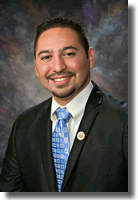
50% Report Score
Democrat · Dist. SD-029
1. In-State Tuition and Financial Aid for Illegal Aliens
2. Voter Identification
3. Oversight of Executive Emergency Powers
4. Article V Convention: Term Limits
5. DNA Collection for All Felony Arrests
6. Budget: Health Care

20% Report Score
Democrat · Dist. SD-027
1. In-State Tuition and Financial Aid for Illegal Aliens
2. Voter Identification
3. Oversight of Executive Emergency Powers
4. Article V Convention: Term Limits
5. DNA Collection for All Felony Arrests
6. Budget: Health Care

83% Report Score
Republican · Dist. SD-007
1. In-State Tuition and Financial Aid for Illegal Aliens
2. Voter Identification
3. Oversight of Executive Emergency Powers
4. Article V Convention: Term Limits
5. DNA Collection for All Felony Arrests
6. Budget: Health Care

17% Report Score
Republican · Dist. SD-016
1. In-State Tuition and Financial Aid for Illegal Aliens
2. Voter Identification
3. Oversight of Executive Emergency Powers
4. Article V Convention: Term Limits
5. DNA Collection for All Felony Arrests
6. Budget: Health Care

0% Report Score
Democrat · Dist. SD-009
1. In-State Tuition and Financial Aid for Illegal Aliens
2. Voter Identification
3. Oversight of Executive Emergency Powers
4. Article V Convention: Term Limits
5. DNA Collection for All Felony Arrests
6. Budget: Health Care

100% Report Score
Democrat
1. In-State Tuition and Financial Aid for Illegal Aliens
2. Voter Identification
3. Oversight of Executive Emergency Powers
4. Article V Convention: Term Limits
5. DNA Collection for All Felony Arrests
6. Budget: Health Care

67% Report Score
Republican · Dist. SD-016
1. In-State Tuition and Financial Aid for Illegal Aliens
2. Voter Identification
3. Oversight of Executive Emergency Powers
4. Article V Convention: Term Limits
5. DNA Collection for All Felony Arrests
6. Budget: Health Care

67% Report Score
Republican · Dist. SD-023
1. In-State Tuition and Financial Aid for Illegal Aliens
2. Voter Identification
3. Oversight of Executive Emergency Powers
4. Article V Convention: Term Limits
5. DNA Collection for All Felony Arrests
6. Budget: Health Care
