2021-2022 Missouri Legislative Scorecard
The following scorecard lists several key votes in the Missouri General Assembly in 2021 and 2022 and ranks state representatives and senators based on their fidelity to (U.S.) constitutional and limited-government principles.
This is our first state-level Scorecard; the selected votes may not be reflective of legislators' overall records. Their cumulative scores will change as we add more votes. Please check regularly for updates.
Share this Legislative Scorecard in your district to inform people about the constitutionality of their elected officials' votes.
Senate Votes
1. Election Security
Requires all registered voters in Missouri to provide a photo ID to vote and makes the paper ballot the official ballot, among several other provisions.
Read More
Constitutional Vote: Yes
2. Appropriation of Federal COVID-19 Relief Funds
Appropriates, as passed by the General Assembly, approximately $3.4 billion, including nearly $2.9 billion in funds from the American Recovery Plan Act.
Read More
Constitutional Vote: No
Cost per household: -$1,398.00/year
3. Article V Convention: Term Limits
Applies to Congress for the "calling of an Article V convention of the states to propose an amendment to the United States Constitution regarding term limits for members of Congress."
Read More
Constitutional Vote: No
4. Nullifying Federal Firearms Laws
Declares as invalid all federal laws that infringe on the right to bear arms under the Second Amendment to the U.S. Constitution and Article 1, Section 23, of the Missouri Constitution.
Read More
Constitutional Vote: Yes
5. Article V Convention: Constitutional Amendments
Applies to Congress for the "calling of an Article V convention of states to propose certain amendments to the United States Constitution which place limits on the federal government."
Read More
Constitutional Vote: No
6. Oversight of State and Local Emergency Powers
Would provide protections for individual rights during a declared state of emergency relating to public health, and prohibit political subdivisions from issuing restrictive public health orders for longer than 15 calendar days in a 180-day period, unless authorized by a two-thirds vote of the respective governing body.
Read More
Constitutional Vote: Yes
How did they vote?

33% Report Score
Democrat · Dist. SD-017
1. Election Security
2. Appropriation of Federal COVID-19 Relief Funds
3. Article V Convention: Term Limits
4. Nullifying Federal Firearms Laws
5. Article V Convention: Constitutional Amendments
6. Oversight of State and Local Emergency Powers

33% Report Score
Republican · Dist. SD-025
1. Election Security
2. Appropriation of Federal COVID-19 Relief Funds
3. Article V Convention: Term Limits
4. Nullifying Federal Firearms Laws
5. Article V Convention: Constitutional Amendments
6. Oversight of State and Local Emergency Powers

33% Report Score
Democrat · Dist. SD-001
1. Election Security
2. Appropriation of Federal COVID-19 Relief Funds
3. Article V Convention: Term Limits
4. Nullifying Federal Firearms Laws
5. Article V Convention: Constitutional Amendments
6. Oversight of State and Local Emergency Powers

33% Report Score
Republican · Dist. SD-006
1. Election Security
2. Appropriation of Federal COVID-19 Relief Funds
3. Article V Convention: Term Limits
4. Nullifying Federal Firearms Laws
5. Article V Convention: Constitutional Amendments
6. Oversight of State and Local Emergency Powers

67% Report Score
Republican · Dist. SD-031
1. Election Security
2. Appropriation of Federal COVID-19 Relief Funds
3. Article V Convention: Term Limits
4. Nullifying Federal Firearms Laws
5. Article V Convention: Constitutional Amendments
6. Oversight of State and Local Emergency Powers

33% Report Score
Republican · Dist. SD-016
1. Election Security
2. Appropriation of Federal COVID-19 Relief Funds
3. Article V Convention: Term Limits
4. Nullifying Federal Firearms Laws
5. Article V Convention: Constitutional Amendments
6. Oversight of State and Local Emergency Powers

67% Report Score
Republican · Dist. SD-020
1. Election Security
2. Appropriation of Federal COVID-19 Relief Funds
3. Article V Convention: Term Limits
4. Nullifying Federal Firearms Laws
5. Article V Convention: Constitutional Amendments
6. Oversight of State and Local Emergency Powers

33% Report Score
Republican · Dist. SD-008
1. Election Security
2. Appropriation of Federal COVID-19 Relief Funds
3. Article V Convention: Term Limits
4. Nullifying Federal Firearms Laws
5. Article V Convention: Constitutional Amendments
6. Oversight of State and Local Emergency Powers

33% Report Score
Republican · Dist. SD-028
1. Election Security
2. Appropriation of Federal COVID-19 Relief Funds
3. Article V Convention: Term Limits
4. Nullifying Federal Firearms Laws
5. Article V Convention: Constitutional Amendments
6. Oversight of State and Local Emergency Powers

75% Report Score
Republican · Dist. SD-023
1. Election Security
2. Appropriation of Federal COVID-19 Relief Funds
3. Article V Convention: Term Limits
4. Nullifying Federal Firearms Laws
5. Article V Convention: Constitutional Amendments
6. Oversight of State and Local Emergency Powers

33% Report Score
Republican · Dist. SD-033
1. Election Security
2. Appropriation of Federal COVID-19 Relief Funds
3. Article V Convention: Term Limits
4. Nullifying Federal Firearms Laws
5. Article V Convention: Constitutional Amendments
6. Oversight of State and Local Emergency Powers

50% Report Score
Republican · Dist. SD-003
1. Election Security
2. Appropriation of Federal COVID-19 Relief Funds
3. Article V Convention: Term Limits
4. Nullifying Federal Firearms Laws
5. Article V Convention: Constitutional Amendments
6. Oversight of State and Local Emergency Powers

50% Report Score
Republican · Dist. SD-012
1. Election Security
2. Appropriation of Federal COVID-19 Relief Funds
3. Article V Convention: Term Limits
4. Nullifying Federal Firearms Laws
5. Article V Convention: Constitutional Amendments
6. Oversight of State and Local Emergency Powers

50% Report Score
Republican · Dist. SD-021
1. Election Security
2. Appropriation of Federal COVID-19 Relief Funds
3. Article V Convention: Term Limits
4. Nullifying Federal Firearms Laws
5. Article V Convention: Constitutional Amendments
6. Oversight of State and Local Emergency Powers

33% Report Score
Republican · Dist. SD-030
1. Election Security
2. Appropriation of Federal COVID-19 Relief Funds
3. Article V Convention: Term Limits
4. Nullifying Federal Firearms Laws
5. Article V Convention: Constitutional Amendments
6. Oversight of State and Local Emergency Powers

60% Report Score
Republican · Dist. SD-015
1. Election Security
2. Appropriation of Federal COVID-19 Relief Funds
3. Article V Convention: Term Limits
4. Nullifying Federal Firearms Laws
5. Article V Convention: Constitutional Amendments
6. Oversight of State and Local Emergency Powers

50% Report Score
Republican · Dist. SD-034
1. Election Security
2. Appropriation of Federal COVID-19 Relief Funds
3. Article V Convention: Term Limits
4. Nullifying Federal Firearms Laws
5. Article V Convention: Constitutional Amendments
6. Oversight of State and Local Emergency Powers

33% Report Score
Democrat · Dist. SD-004
1. Election Security
2. Appropriation of Federal COVID-19 Relief Funds
3. Article V Convention: Term Limits
4. Nullifying Federal Firearms Laws
5. Article V Convention: Constitutional Amendments
6. Oversight of State and Local Emergency Powers

67% Report Score
Republican · Dist. SD-029
1. Election Security
2. Appropriation of Federal COVID-19 Relief Funds
3. Article V Convention: Term Limits
4. Nullifying Federal Firearms Laws
5. Article V Convention: Constitutional Amendments
6. Oversight of State and Local Emergency Powers

33% Report Score
Democrat · Dist. SD-013
1. Election Security
2. Appropriation of Federal COVID-19 Relief Funds
3. Article V Convention: Term Limits
4. Nullifying Federal Firearms Laws
5. Article V Convention: Constitutional Amendments
6. Oversight of State and Local Emergency Powers

40% Report Score
Republican · Dist. SD-018
1. Election Security
2. Appropriation of Federal COVID-19 Relief Funds
3. Article V Convention: Term Limits
4. Nullifying Federal Firearms Laws
5. Article V Convention: Constitutional Amendments
6. Oversight of State and Local Emergency Powers
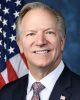
80% Report Score
Republican · Dist. SD-002
1. Election Security
2. Appropriation of Federal COVID-19 Relief Funds
3. Article V Convention: Term Limits
4. Nullifying Federal Firearms Laws
5. Article V Convention: Constitutional Amendments
6. Oversight of State and Local Emergency Powers

33% Report Score
Democrat · Dist. SD-007
1. Election Security
2. Appropriation of Federal COVID-19 Relief Funds
3. Article V Convention: Term Limits
4. Nullifying Federal Firearms Laws
5. Article V Convention: Constitutional Amendments
6. Oversight of State and Local Emergency Powers

40% Report Score
Republican · Dist. SD-010
1. Election Security
2. Appropriation of Federal COVID-19 Relief Funds
3. Article V Convention: Term Limits
4. Nullifying Federal Firearms Laws
5. Article V Convention: Constitutional Amendments
6. Oversight of State and Local Emergency Powers

33% Report Score
Democrat · Dist. SD-011
1. Election Security
2. Appropriation of Federal COVID-19 Relief Funds
3. Article V Convention: Term Limits
4. Nullifying Federal Firearms Laws
5. Article V Convention: Constitutional Amendments
6. Oversight of State and Local Emergency Powers

33% Report Score
Democrat · Dist. SD-005
1. Election Security
2. Appropriation of Federal COVID-19 Relief Funds
3. Article V Convention: Term Limits
4. Nullifying Federal Firearms Laws
5. Article V Convention: Constitutional Amendments
6. Oversight of State and Local Emergency Powers

50% Report Score
Republican · Dist. SD-019
1. Election Security
2. Appropriation of Federal COVID-19 Relief Funds
3. Article V Convention: Term Limits
4. Nullifying Federal Firearms Laws
5. Article V Convention: Constitutional Amendments
6. Oversight of State and Local Emergency Powers

50% Report Score
Republican · Dist. SD-026
1. Election Security
2. Appropriation of Federal COVID-19 Relief Funds
3. Article V Convention: Term Limits
4. Nullifying Federal Firearms Laws
5. Article V Convention: Constitutional Amendments
6. Oversight of State and Local Emergency Powers

33% Report Score
Democrat · Dist. SD-024
1. Election Security
2. Appropriation of Federal COVID-19 Relief Funds
3. Article V Convention: Term Limits
4. Nullifying Federal Firearms Laws
5. Article V Convention: Constitutional Amendments
6. Oversight of State and Local Emergency Powers

40% Report Score
Republican · Dist. SD-027
1. Election Security
2. Appropriation of Federal COVID-19 Relief Funds
3. Article V Convention: Term Limits
4. Nullifying Federal Firearms Laws
5. Article V Convention: Constitutional Amendments
6. Oversight of State and Local Emergency Powers

40% Report Score
Democrat · Dist. SD-009
1. Election Security
2. Appropriation of Federal COVID-19 Relief Funds
3. Article V Convention: Term Limits
4. Nullifying Federal Firearms Laws
5. Article V Convention: Constitutional Amendments
6. Oversight of State and Local Emergency Powers

33% Report Score
Republican · Dist. SD-032
1. Election Security
2. Appropriation of Federal COVID-19 Relief Funds
3. Article V Convention: Term Limits
4. Nullifying Federal Firearms Laws
5. Article V Convention: Constitutional Amendments
6. Oversight of State and Local Emergency Powers

50% Report Score
Republican · Dist. SD-022
1. Election Security
2. Appropriation of Federal COVID-19 Relief Funds
3. Article V Convention: Term Limits
4. Nullifying Federal Firearms Laws
5. Article V Convention: Constitutional Amendments
6. Oversight of State and Local Emergency Powers

50% Report Score
Democrat · Dist. SD-014
1. Election Security
2. Appropriation of Federal COVID-19 Relief Funds
3. Article V Convention: Term Limits
4. Nullifying Federal Firearms Laws
5. Article V Convention: Constitutional Amendments
6. Oversight of State and Local Emergency Powers
